 Judicial Profiles

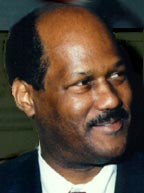
Judicial Biography
Born:
June 28, 1947, Boston
Year admitted to bar:
1974
Year appointed/elected:
1994, by
Bench Service:
Boston Housing Court (1990-1994).
Background
Education:
Boston University School of Law, 1974
Gordon College, 1970
Participation as a Faculty Member or Lecturer:
Adjunct professor, Boston University School of Law (1990-present);
Clinical professor, Boston University School of Law (1985-1990);
Teacher, Harvard Law School Trial Advocacy Workshop (1984, 1985, 1989, 1993).
Professional
Legal Employment History:
Consultant, Legal Services Corporation (1979-1985);
Assistant to director, Legal Services Corporation, Boston Regional Office (1976-1979);
Greater Boston Legal Services (1974-1976).
Civic and Community Activities
Memberships/Affiliations:
Massachusetts Bar Association;
American Bar Association (ABA Delegate to the National Conference of Special Court Judges, 1992);
Association of Trial Lawyers of America;
Massachusetts Black Lawyers Association;
Gordon College Alumni (president, 1980-1983);
Board of Trustees, Gordon College;
Elder and deacon, First United Presbyterian Church.
- Reported Decisions
- Other Links
Evaluations from Lawyers
|
|
Comments
1) Judge Smith will ask you to move along on certain issues once he has made up his mind, so if you have a script to your argument, be prepared to change gears. He will ask probing questions regarding the weaknesses in your position.
2) I appeared before Judge Herman Smith in a multiple defendant product liability case. The court had scheduled 4 motions for the hearing, including two summary judgments motions, a motion to compel, and a motion for protective order.
Judge Smith had clearly read all the papers and knew the issues at hand. That was a good start. When he was clear on an issue he would ask counsel to move on. When ne needed further clarification, he asked further questions. Judge Smith gave each party ample time to make their points. A pleasure to appear before him.
3) Judge Smith produced short decisions that provided little legal basis that could be relied on appeal. He was disrespectful to the Plaintiff. In the case, he decided every decision against the Plaintiff whistle-blower, and in many lawyers opinions, did so to improperly protect the attorney-defendants being sued and the reputation of the bar. He was biased and preferential to the attorney-defendants. Thankfully, his poor decisions were reversed on appeal where the court wrote an unbiased, legally sound decision. In this case, thank God for the Appeals Court. Judge Smith caused litigants, particularly the Plaintiff, to unnecessarily spend money and time and otherwise wasted judicial resources.
4) Render decisions on substantive motions in a timely manner.
5) More timely in the issuance of his decisions
6) Diligent preparation and a clear and concise understanding of the case law will go a long way.
7) Judge Smith is contemplative and thorough, yet willing and able to resolve matters when appropriate. I observed a balance of compassion and adherance to the rules.
