 Judicial Profiles

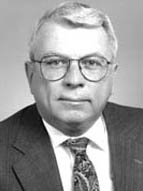
Judicial Biography
Born:
1944
Year admitted to bar:
1969
Year appointed/elected:
2004, by Gov. Mitt Romney
Background
Education:
Boston College Law School, 1969
St. Peter’s College, 1966
Publications:
Co-Author, “Annual Survey of Labor Relations Law,” Vol. 10, Boston College Industrial and Commercial Law Review (1968-1969).
Professional
Legal Employment History:
Associate (1969-1974) and partner (1974-2004), Mintz, Levin, Cohn, Ferris, Glovsky and Popeo.
General Character of Law Practice Prior to Judgeship:
“Trial experience in state and federal courts in a variety of areas including intellectual property, class actions, consumer and business fraud, antitrust, securities litigation, employment law, intercompany stockholder disputes, and construction disputes.”
Civic and Community Activities
Appointive or Elective Positions Held:
Trustee, Boston Bar Foundation.
Memberships/Affiliations:
Massachusetts Bar Association;
Boston Bar Association;
American Bar Association;
Board of Directors and Finance Committee, Greater Boston YMCA
- Reported Decisions
- Other Links
Evaluations from Lawyers
|
|
Comments
1) The judge kept a courtroom full of lawyers waiting more than an hour on routine motions while indulging verbose pro se litigants in two separate cases, costing everyone’s clients unnecessarily.
The judge also needlessly scheduled a hearing on an unopposed motion several months after it was filed, resulting in unnecessary delays. Calls and letters to the clerk went unreturned and the judge admitted that the hearing was scheduled in error, but then held anyway (even after being continued by the court once) because notices had initially gone out. This was a collection case against a local company by an out of state investor – I could not help but feel that my client had been home-towned.
2) Prepare your written material well, and submit it ahead of time, because Judge Murtagh does review it prior to hearing.
3) He listens, he reads the material ahead of time, and he is a very clear thinker.
4) Be prepared on the law and the facts of the case well before trial.
5) Judge Murtaugh gave counsel an opportunity to speak with jurors in his presence after the case settled on the 5th day of trial. The experience was notable and worthwhile for counsel and the judge and should be permitted in at least all civil cases.
